


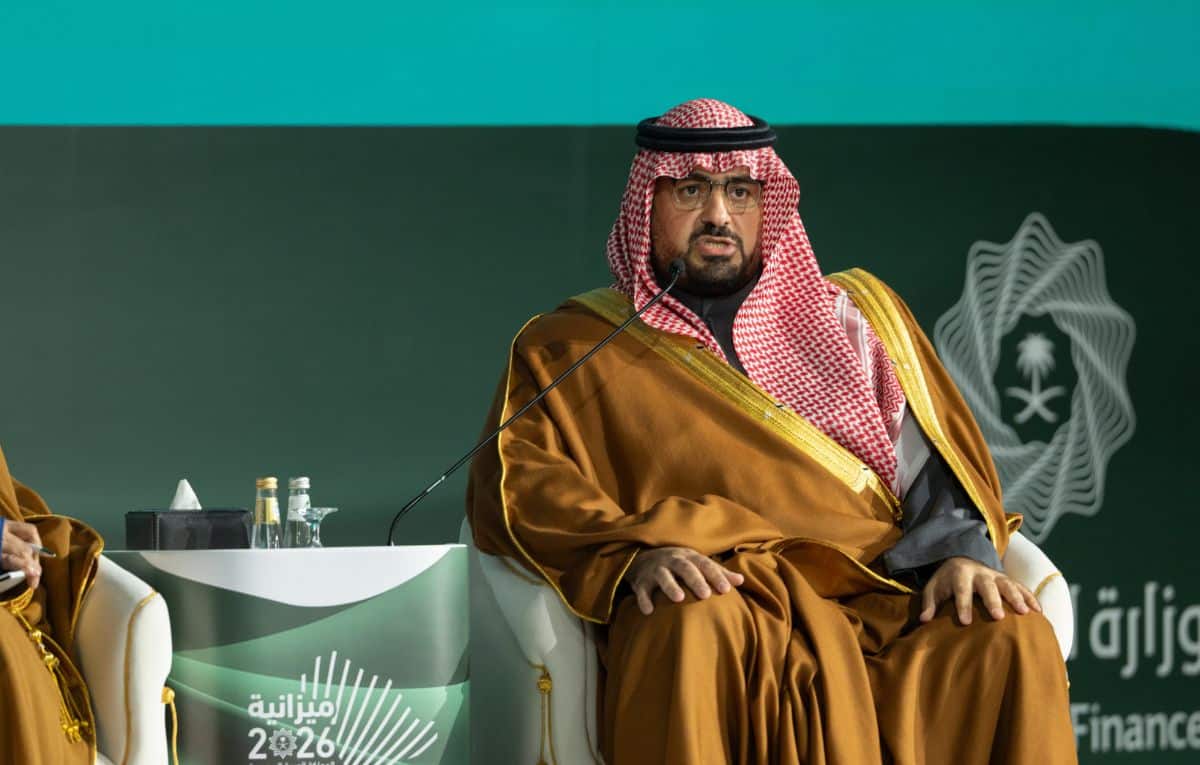
The Kingdom of Saudi Arabia is undergoing a significant economic transformation, and recent announcements signal a bold new phase driven by technological innovation. During the Saudi Budget Forum 2026, His Excellency Faisal Al-Ibrahim, Minister of Economy and Planning, affirmed that the Kingdom has officially entered a new stage in its economic shift, with الذكاء الاصطناعي (Artificial Intelligence – AI) poised to become the largest engine of non-oil growth in the coming years. This isn’t just a technological trend; it’s a comprehensive reshaping of the national economy, building a new production ecosystem where data and algorithms stand alongside energy and infrastructure, establishing a more diverse and sustainable economy.
رؤية المملكة 2030: الذكاء الاصطناعي كمحور للتنويع الاقتصادي (Kingdom Vision 2030: AI as a Pillar of Economic Diversification)
The focus on AI is intrinsically linked to Saudi Vision 2030, a strategic framework designed to reduce the Kingdom’s reliance on oil and cultivate a thriving, diversified economy. Al-Ibrahim emphasized that AI’s role will extend beyond simply boosting productivity. It’s anticipated to maximize economic and financial returns on investments, attract global talent and major technology companies, and ultimately position Saudi Arabia as a regional and global hub for innovation. This drive towards tech-led growth is actively being cultivated through substantial investment and strategic partnerships.
تطبيقات الذكاء الاصطناعي في القطاعات الرئيسية (AI Applications in Key Sectors)
The potential applications for AI cut across a spectrum of vital sectors. The Minister specifically highlighted energy and healthcare as areas ripe for significant advancement through AI technologies. Smart grids, predictive maintenance in oil & gas, and personalized medicine are just a few examples of the transformative power that AI could unlock. Beyond these, sectors like finance, logistics, and tourism are also expected to benefit immensely from the integration of تقنيات الذكاء الاصطناعي (AI technologies).
هيومين وأرامكو: نموذج للشراكة في الاقتصاد الرقمي (Humain and Aramco: A Model for Partnership in the Digital Economy)
Perhaps the most compelling illustration of this commitment is the rise of companies like Humain. Established in May 2025, Humain is rapidly emerging as a leader in the Kingdom’s ambition to become a global AI powerhouse. The company’s goals are highly ambitious, aiming to establish Saudi Arabia as the third largest country globally in AI infrastructure, trailing only the United States and China – a goal articulated by Humain’s CEO, Tariq Amin.
The company is strategically supported by both the Saudi Public Investment Fund (PIF), exceeding $1 trillion in value, and a significant minority stake acquired by Saudi Aramco in October 2025. This investment by Aramco isn’t simply a financial transaction; it’s a signal of intent to accelerate Humain’s expansion and solidify Saudi Arabia’s position as a competitive global center for data and AI technologies. Aramco’s involvement is seen as a parallel to its historical dominance in the energy sector, with Humain poised to lead the charge in the emerging field of التحول الرقمي (digital transformation).
التحول المؤسسي ومواجهة التحديات الاقتصادية (Institutional Transformation and Addressing Economic Challenges)
This transformation isn’t solely about technological investment. Al-Ibrahim underscored the crucial need for institutional development within the government to ensure the sustainability of growth and enhance preparedness for future economic challenges. To this end, a specialized unit has been created within the Ministry of Economy to closely monitor changes in supply and demand for goods and services, linking this data directly to inflation indicators. This proactive unit will then propose early preventative measures to mitigate potential economic disruptions.
Since 2016, the non-oil sector has already witnessed substantial growth, with a cumulative increase exceeding 30%. This performance surpasses the growth rates of many advanced economies, which remained below 20% over the same period, highlighting the strength and effectiveness of the Kingdom’s structural changes. This progress is built on a foundation of robust economic governance, and the current budget forecasts reflect a highly precise and refined approach to financial planning. The Ministry anticipates continued strong growth in the non-oil sector, projecting rates between 4.5% and 6% in the coming years.
تعزيز دور القطاع الخاص والشراكات الاستراتيجية (Strengthening the Role of the Private Sector and Strategic Partnerships)
Maintaining this momentum and achieving the goals of Vision 2030 demands a vibrant and active private sector. Al-Ibrahim emphasized the growing and vital role of private companies, noting that over 600 global firms have already established regional headquarters within the Kingdom. Furthermore, localization rates within the pharmaceutical industry have risen from 20% to 30%, and in the defense industry, from 4% in 2018 to over 20% in 2024.
The next phase will necessitate expanding the private sector’s involvement through long-term strategic partnerships and stimulating investment in high-value-added production sectors. This will ensure sustainable growth, fostering an economy driven by technology and international collaboration, which can then deliver a more diversified and resilient economic base. This active engagement unlocks الاستثمار الأجنبي المباشر (Direct Foreign Investment) opportunities.
الثقة الدولية وتأثير المملكة على السياسات العالمية (International Confidence and Saudi Arabia’s Influence on Global Policies)
Saudi Arabia’s growing influence extends beyond its borders. Initiatives like the Future Investment Initiative (FII) and the LEAP conference have established the Kingdom as a global forum for thought leaders and policymakers. The hosting of major meetings for international organizations, such as the World Economic Forum, reflects the increasing international confidence in the Saudi business environment and the seriousness of the ongoing transformation. These platforms are crucial for shaping the global narrative surrounding economic development and innovation.
In conclusion, Saudi Arabia is strategically embracing الذكاء الاصطناعي as the cornerstone of its economic future. The commitment from both the public and private sectors, coupled with innovative initiatives like the support for Humain, signifies a decisive shift towards a resilient, diversified, and technologically advanced economy. The Kingdom’s proactive approach to institutional development and its growing global influence position it as a key player in shaping the future of the global economic landscape. To learn more about Saudi Vision 2030 and its ambitious goals, visit [relevant official website link here – replace with actual link].